
Can You Use a Hot Tub in Winter? A Complete Cold-Weather Guide
Posted: January 16, 2026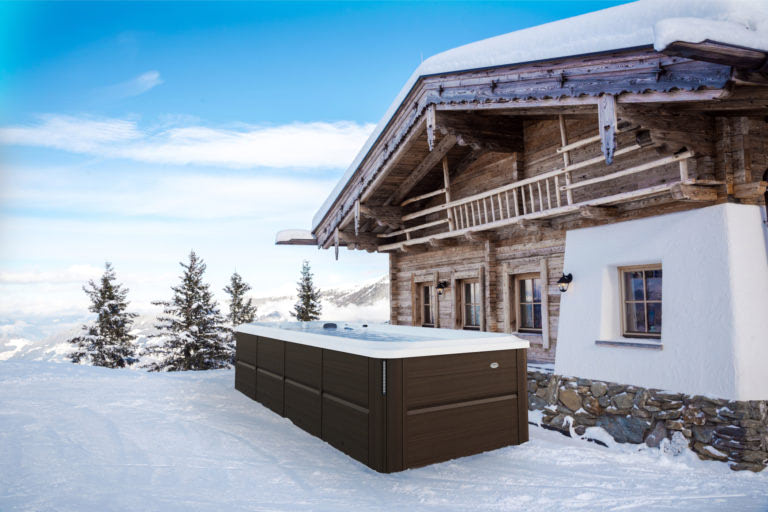
Yes, you can absolutely use a hot tub in winter. In fact, modern hot tubs are designed for year-round use, even in freezing temperatures. With proper setup and maintenance, winter can be one of the best times to enjoy your spa.
Cold-weather soaking offers a unique experience while requiring a few adjustments to keep your system running efficiently and safely.
Are Hot Tubs Safe To Use In Freezing Temperatures?
Hot tubs are built with insulation, heaters, and circulation systems designed to operate in cold climates. As long as your spa is properly maintained and powered, it can safely run throughout winter without damage.
The key is consistency. Problems typically arise when water is allowed to sit without circulation or when power is lost for extended periods. Keeping your system running and properly insulated prevents freezing in plumbing lines and equipment.
What Are The Benefits Of Using A Hot Tub In Winter?
Winter hot tub use offers several advantages that many owners prefer over warmer seasons.
Enhanced Relaxation From Temperature Contrast
The combination of cold air and hot water creates a powerful therapeutic contrast. This can help improve circulation, relax muscles more effectively, and enhance the overall soaking experience.
Reduced Water Evaporation
Cold air slows evaporation, which can help maintain water levels longer and reduce the frequency of chemical adjustments compared to summer use.
Improved Energy Retention With Proper Covers
When your hot tub is covered, colder ambient air can actually help stabilize heat retention, especially with a high-quality insulated cover that traps warmth inside the spa.
How Do You Maintain A Hot Tub During Winter?
Winter maintenance focuses on protecting your spa from freezing while maintaining water quality.
1. Monitor Water Temperature And Heater Performance
Keep your hot tub set to a consistent temperature, typically between 100–104°F. Sudden drops in temperature can indicate heater issues that should be addressed immediately.
2. Increase Insulation Around The Cabinet
Adding insulation panels or ensuring cabinet seals are tight helps reduce heat loss and improve energy efficiency during extreme cold.
3. Adjust Filtration Cycles
Longer or more frequent filtration cycles help keep water moving, which prevents freezing in pipes and ensures even heat distribution.
4. Prepare For Power Outages
If you live in an area prone to outages, have a plan in place. Extended loss of power can allow water to freeze inside the system, causing serious damage. In these cases, draining may be necessary if power is not quickly restored.
What Common Winter Issues Should You Watch For?
Cold weather introduces a few unique challenges that require attention.
Frozen Control Panels
Moisture and extreme cold can affect digital control panels. Keep them dry and covered when not in use.
Ice Around The Cover
Water that splashes onto the cover or edges can freeze, making it difficult to open. Regularly clear excess water and snow buildup.
Steam Management And Slippery Surfaces
Steam from hot water condenses quickly in cold air, which can create icy patches around your spa. This increases slip risk if not managed properly.
How Does Heat Retention Work In Winter?
Understanding heat retention helps you operate your hot tub more efficiently during colder months.
Why The Cover Matters Most
A high-quality insulated cover is your primary defense against heat loss. Most heat escapes from the surface, so a properly sealed cover significantly reduces energy use.
The Impact Of Wind Exposure
Wind accelerates heat loss. Installing windbreaks such as fencing, privacy panels, or landscaping can improve efficiency and comfort.
When Auxiliary Heating May Help
In extremely cold climates, additional insulation or supplemental heating may be beneficial to maintain consistent performance and reduce strain on your system.
What Safety Precautions Should You Take In Winter?
Winter hot tub use requires additional safety considerations.
Keep Access Paths Clear
Ensure walkways, steps, and surrounding areas are free of snow and ice. Use non-slip mats or salt-safe ice melt to reduce hazards.
Improve Lighting Around The Spa
Shorter daylight hours make proper lighting essential for safe entry and exit.
Use Handrails And Stable Steps
Cold weather increases slip risk. Secure handrails and stable entry steps provide added safety.
Understand Temperature Contrast Effects
The shift between cold air and hot water can increase heart rate and circulation. While beneficial for many, those with cardiovascular conditions should consult a healthcare professional before extended use.
Can You Leave Your Hot Tub Running All Winter?
Yes, and in most cases, you should. Keeping your hot tub running is safer than shutting it down in freezing temperatures. Continuous circulation prevents freezing and protects internal components.
If you plan to shut your spa down for winter, it must be properly winterized, including fully draining water and purging all plumbing lines.
Enjoy Your Hot Tub All Winter With WCI Pools And Spas
Using your hot tub in winter is not only possible, it is one of the best ways to enjoy your investment. With proper maintenance, insulation, and safety precautions, your spa can deliver reliable performance and comfort even in freezing temperatures.
At WCI Pools & Spas, we help homeowners keep their hot tubs running efficiently year-round. From water care products to maintenance support and expert guidance, our team is here to help you get the most out of every season.
Contact us today or visit a showroom to learn how to prepare your hot tub for winter use.